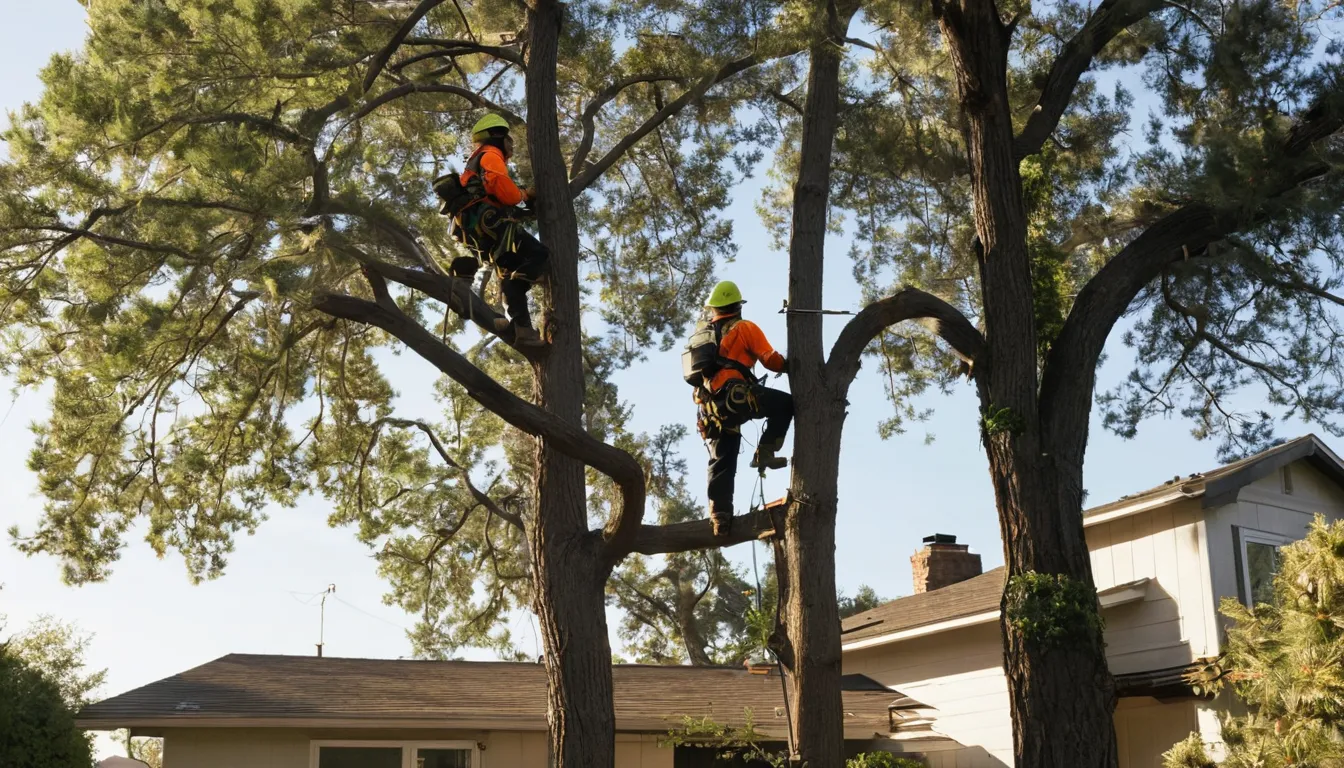
Tree Removal for Indianapolis city Homeowners
A tree that leans, cracks, or drops big limbs is like a loose step on a staircase. It may hold for a while, but it is not something to ignore. Removal is often the safest choice when a tree is dead, split, or too close to your home.
Popdiscovery Tree Service is a referral service. We do not cut or haul anything ourselves. We help you gather photos and notes, then connect you with independent providers in the Indianapolis city area. A local provider visits, gives a written quote, and does the work. Keeping a simple record makes estimates easier to compare and helps if questions come up later.
Is This Tree an Urgent Problem?
Start with one question: could this tree hurt someone or damage something today? If a trunk is split, a large limb hangs loose, or the tree has shifted in the ground, treat it as urgent. Keep people and cars away from the area.
Request a callback to check provider availability. Many providers can respond quickly when a tree is a real hazard.
Signs a Tree Is Telling You Something
Trees give hints long before they fail. Think of it like a cough that keeps coming back. One cough means little, but a steady one deserves a closer look.
Leaning, Cracks and Dead Limbs
A new lean after wind or wet weather is a warning. So are deep cracks in the trunk, bark that peels off in sheets, and branches with no leaves in summer. Dead wood is brittle and can drop without notice.
Roots, Soil and Fungus
Look at the base. Mushrooms, soft or hollow wood, lifted soil, or roots that have pushed up near the foundation can point to decay below the surface. Our spring flooding and deep winter frost can stress roots over the years.
Photos First, Then Quotes
Before anyone visits, take a few clear photos. Shoot the whole tree, the trunk base, any damage up close, and the space between the tree and your house, fence, or power lines. Add a few notes about when you first noticed the problem.
This is the paperwork-ready part. A providers sees more from good photos, and you will have a dated record to refer back to.
How Tree Removal Works
A provider usually walks the property first and looks at the tree, the ground, and what sits nearby. Then you get a written quote that explains the scope.
On the work day, crews often remove a tree in sections, starting at the top. Think of taking apart a tall stack of boxes from the top down. When there is room, a tree falling service may fell it in one piece, but near a house or yard it is usually cut in pieces and lowered with ropes.
What Changes the Price
Size matters most, but it is not the only factor. Access, nearby structures, tree condition, and cleanup all play a part. A tree over a roof takes more time than one in an open yard. Prices vary by job, so compare written quotes line by line.
Permits and Local Rules
Some towns require a permit before a tree is removed, especially for large or protected trees, or those near the street. Rules differ from place to place. Ask your city or township office, and ask the provider what they usually see locally.
Stump Grinding and Cleanup
Removing a tree and removing the stump are often separate line items. Stump grinding shreds the stump below ground level so you can plant grass or a new tree. Ask whether the quote includes chipping, hauling, and raking up, or only the cut.
Storm Damage and Cleanup Basics
After severe thunderstorms or hail, storm tree clearance may be needed. If a tree is down or hanging, stay back and keep a safe distance. Photograph the damage from a safe spot. Some policies may cover sudden damage, so check your policy, and providers can often help document damage for a claim.
Choosing a Provider
Ask each provider the same questions so the answers are easy to compare. Do they carry insurance? Is the quote in writing? Who handles cleanup? Be careful with anyone who wants a large payment upfront or pushes you to decide on the spot.
Getting Ready for Removal Day
Move cars out of the driveway and clear lawn furniture, toys, and planters from the work zone. Tell neighbors if equipment may block the street. Keep pets indoors. Basements and sump pump lines are worth a mention if heavy equipment will cross the yard.
After the Tree Comes Down
Walk the yard with the provider. Check that the work matches the quote and that debris is gone or stacked as agreed. Take after photos, and look for lawn damage, fences, or gutters that may need attention.
Keep a Simple Record
Save your before photos, quotes, receipts, and the date of the work in one folder. If a neighbor, a town office, or an insurer ever asks about the tree, you will have answers on hand.
When Emergency Work Is the Better Fit
If the tree has already fallen or is blocking an entry, that is a different situation from planned removal. Emergency tree removal has its own page, and providers can often tell you by phone which path fits.
What's Included
Written Quote Review
Compare each provider's written scope, including cutting, hauling, chipping, and cleanup, so you know what is and is not covered.
Stump Options
Ask about stump grinding at the same visit, since it is often priced as its own line on the quote.
Debris Removal Plans
Confirm who hauls branches and logs away, or whether wood is left stacked on your property.
Photo Records
Before and after pictures help you compare estimates and give you a record of the work.
Typical Tree Removal Costs
These are typical U.S. ranges and they vary by job, tree, and region. Treat them as a starting point, and always ask for a written quote before work begins.
| Item | Typical range | Notes |
|---|---|---|
| Small tree (under 30 ft) | $150 – $500 | Easy access and open space keep it simple |
| Medium tree (30–60 ft) | $500 – $1,200 | Price rises with limbs and nearby structures |
| Large tree (60 ft and up) | $1,000 – $2,500 | Often cut in sections and lowered |
| Hazardous or hard-access tree | $1,500 – $5,000 | Near homes, lines, or tight yards |
| Stump grinding | $100 – $500 | Depends on stump width and root spread |
| Debris hauling and chipping | $100 – $400 | May be included or priced separately |
How It Works
Gather Photos and Notes
Take pictures of the tree, trunk, and surroundings, and write down what you have noticed and when.
Request Your Estimate
Share the details through the request form, or request a callback to check which providers are available.
Compare Written Quotes
Review the scope, cleanup, and stump details side by side before choosing a provider.
Schedule and Keep Records
Set the work date with the provider, then save receipts and after photos in one folder.
Why Call Popdiscovery Tree Service
Photos First
Clear pictures help providers understand the job and give you a record to compare quotes against.
Independent Providers
Providers in our network are separate local businesses that do the work and provide the quotes.
Organized Records
Notes, dates, and photos stay together, so questions later are easier to answer.
No Obligation
You can request an estimate and decide on your own terms.
Other Services
Need tree removal in Indianapolis city?
Tell us about your tree, share a few photos, and request an estimate from an independent local provider. There is no obligation to move forward.
Tree Removal FAQ
How do I know if a tree needs to be removed?
Warning signs include a new lean, deep cracks, dead branches in summer, hollow spots, mushrooms at the base, and lifted roots. If you notice several, ask a local provider to look at it and give a written opinion.
How much does tree removal cost?
Typical U.S. prices run from a few hundred dollars for a small tree to several thousand for a large or hard-to-reach one. Costs vary by job, so get written quotes.
Do I need a permit to remove a tree?
It depends on where you live. Some towns require permits for large, protected, or street-side trees. Check with your local office, and ask the provider what they usually see in your area.
Get in touch
Tell us about your tree, share a few photos, and request an estimate from an independent local provider. There is no obligation to move forward.
No obligation