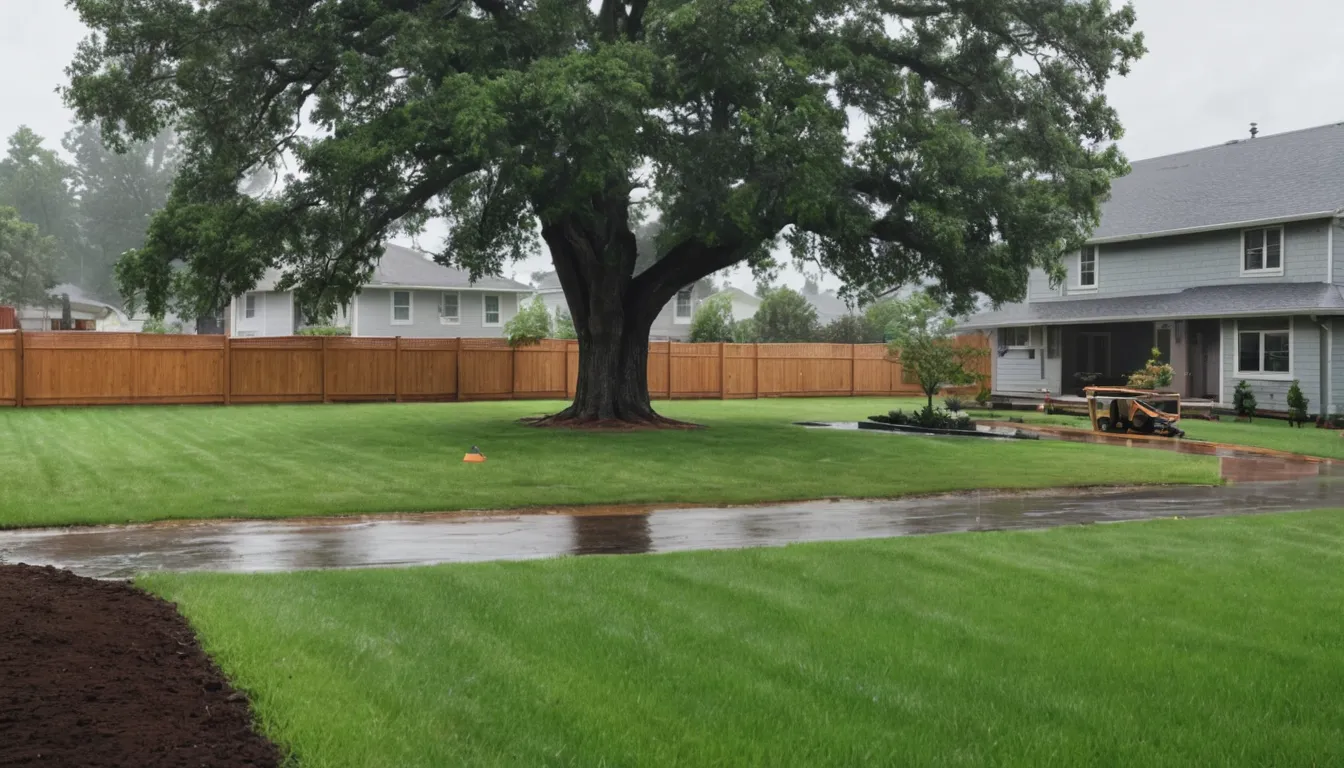
Emergency Tree Removal for Indianapolis city Homeowners
A tree that falls in a storm can feel like a bad dream. Branches cover the yard, the driveway is blocked, and you are not sure what is safe to touch. Popdiscovery Tree Service is a referral service. It does not cut or haul anything itself. It helps you take the right first steps, then connects you with independent providers in our network who handle the work.
We focus on being organized. Photos, short notes and written quotes make it easier to compare providers and to talk with your insurance company later. Whether the tree is on a roof, across a fence, or leaning after hail and heavy rain, you can request an estimate with no obligation and decide what comes next.
Start With Safety, Not the Saw
A fallen tree is a bit like a spilled pot of hot soup. The first job is to keep everyone back, not to start cleaning. Stay away from the tree, the roof, and anything it touches. Treat any wire near it as live. Keep children and pets indoors. If someone is hurt or a line is down, contact local emergency services first.
Signs a Tree Is a Real Emergency
Some problems cannot wait for a regular schedule. Think of them as a smoke alarm: loud, clear, and worth listening to.
- A trunk or large limb resting on a roof, car, shed, or fence
- A tree leaning toward the house after wind or soaked ground
- A tree blocking a driveway or the only way out
- A fresh split in the trunk or soil lifting around the roots
- Limbs tangled in service lines (do not go near them)
Notice It Early When You Can
Most trees give hints before they fail. Deep winter frost can crack wood, and hot humid summers invite rot and fungus. It is like a cup with a hairline crack. It holds for a while, then one day it does not. Look for mushrooms at the base, hollow sounds, dead branches, or a slow lean. Catching these signs early can turn a surprise into a planned job.
Photos First, Then Quotes
Before anything is moved, take pictures. It works like photographing a fender bender before the cars leave the road. Take one wide shot of the whole scene. Then take close-ups of the break, the damage, and anything the tree touches. Add a view from the street if you can do so safely.
Keep a Simple Record
A short list is enough. Write it in a notes app or on paper.
- When you first noticed the problem and what the weather was doing
- What the tree is touching or blocking
- Whether any utility lines are involved
- The names and times of each provider you contact
- The details of every written quote you receive
How Storm Tree Clearance Works
Think of untying a tight knot. A provider looks first for where the strain sits, then loosens things in the right order. Storm tree clearance usually starts with an assessment and a safe work zone. The tree is then cut in sections, lowered or lifted away, and the debris is cleared. A tree falling service may be needed when a leaning tree must be taken down before it drops on its own.
When Power Lines Are Involved
Providers cannot safely work near live lines. The utility company deals with the lines first. Once they are cleared, a provider can move in. Tell anyone you contact about lines up front. It changes the plan and the quote.
Talking With Your Insurance Company
Treat this like a receipt drawer. The tidier it is, the easier it is to find what you need. Some policies may cover sudden damage, such as a tree striking your home, but coverage differs, so check your policy. Providers can often help document damage for a claim. Your photos, notes, and written quotes support that conversation.
Stump Grinding After the Tree Is Gone
Removing a tree is like pulling a tooth: the root still sits below. Stump grinding is often a separate step and can wait until the emergency is over. Ask whether it is part of the quote or priced on its own. Spring flooding and sump pumps matter here, since old root channels can shift how water moves near a foundation.
After a Big Storm: What to Expect
After severe thunderstorms or hail, many homeowners need help at once. Providers sort jobs by risk, so a tree on a house usually comes before a limb in the yard. Many providers can respond quickly, but availability varies. Request a callback to check provider availability, or send a request and keep your photos handy.
Older Homes and Soggy Ground
Frame houses from many decades and low bungalows or ranch homes sit close to their trees. After spring flooding, the soil holds roots like wet sand holds a flag. It gives way more easily. A tree that looked fine last year may lean this year, so check after heavy rain.
Preventing the Next Storm Problem
A yearly walk around the yard is like a checkup. Look up for dead limbs, look down for lifted soil, and look at the trunk for cracks. Plan removal for weak trees before storm season. Pruning can reduce weight on a risky limb.
Questions to Ask the Provider
- Is the quote written and itemized?
- Does it include debris haul-away and stump grinding, or are those extra?
- How will the work protect the roof, lawn, and fence?
- What can the provider share to support an insurance claim?
Comparing Quotes Side by Side
Lay two quotes next to each other like two recipes. Check that the ingredients match. One may include cleanup and the other may not. A written scope makes the numbers easier to compare.
Keep the Paperwork Together
When the work is done, put your photos, notes, quotes, and receipts in one folder. Add a final photo of the cleared area. If questions come up later, the full story is in one place.
What's Included
Fallen Tree Clearing
A provider cuts and removes trees that have come down across yards, driveways, and fences.
Leaning Tree Takedown
Providers can take down a leaning or cracked tree in sections before it falls on its own.
Storm Debris Cleanup
Limbs, logs, and brush are cut up and hauled away so your property is usable again.
Stump Grinding
Many providers can grind the stump after removal, often priced as a separate item.
Typical Emergency Tree Removal Costs
Prices depend on tree size, location, access, and how much damage is involved. These are typical U.S. ranges that vary by job, so always get a written quote.
| Item | Typical range | Notes |
|---|---|---|
| Fallen tree in open yard | $500 – $2,000 | Depends on size and access |
| Tree on roof or fence | $1,500 – $10,000 | Careful work and larger tree raise cost |
| Large broken limb | $300 – $1,500 | Height and weight matter |
| Crane or lift help | $1,000 – $3,000 | Used when a tree cannot be dropped safely |
| Stump grinding | $150 – $600 | Priced by stump size |
| Debris haul-away | $100 – $500 | Sometimes included in the quote |
How It Works
Stay Back, Stay Safe
Keep clear of the tree and any wires, then contact emergency services if anyone is hurt.
Photograph the Scene
Take wide and close photos and jot down quick notes.
Request an Estimate
Request a callback or use the form to be matched with local providers.
Compare and Keep Records
Review written quotes, choose a provider, and file everything together.
Why Call Popdiscovery Tree Service
Providers Do the Work
Popdiscovery Tree Service is a referral service that connects you with independent local providers in our network.
Organized Records
Simple photo and note guidance helps you compare quotes with less guesswork.
Plain Guidance
Patient, step-by-step explanations help you know what to do and what to ask.
No Obligation
You can request an estimate and decide later whether to move forward.
Other Services
Need emergency tree removal in Indianapolis city?
Tell us about your tree, share a few photos, and request an estimate from an independent local provider. There is no obligation to move forward.
Emergency Tree Removal FAQ
How much does emergency tree removal cost?
Typical U.S. prices run from a few hundred dollars for a small fallen tree to several thousand when a tree is on a house. Costs vary by job, so get a written quote.
Does homeowners insurance cover a tree that fell on my house?
Some policies may cover sudden damage, such as a tree striking your home. Coverage differs by policy and deductible, so check yours. Providers can often help document damage for a claim, so take photos and keep every written quote.
Should I cut up a fallen tree myself?
Usually not. Fallen trees can hold hidden tension, so limbs may snap or roll when cut. Wet ground, power lines, and roof damage add more risk. Stay back, take photos, and ask a provider in our network to assess the tree.
Get in touch
Tell us about your tree, share a few photos, and request an estimate from an independent local provider. There is no obligation to move forward.
No obligation